
This is the first in a series exploring the gay subculture that existed in Northampton prior to the 1970 beginnings of a social revolution.
In the autumn of 1960, seven Northampton men were arrested and found guilty of a range of offenses that ultimately related to their being gay or bisexual. Three of them were on the faculty at Smith College. Two successfully appealed their convictions, and no one was imprisoned, but all the men’s lives were irrevocably changed by the public revelation of their sexuality.
This event is chillingly recounted in Barry Werth’s biography of Newton Arvin, The Scarlet Professor. While the book’s focus is the 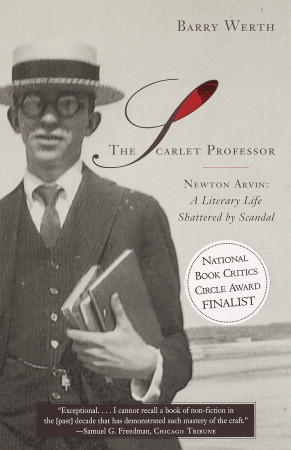 Smith College professor, his intellectual work and how it intersected with his homosexual stigmatization, it also contains the first available portrait of gay male life in Northampton. Drawing on unprecedented access to Arvin’s private papers, Werth provides vividly detailed information on Arvin’s social network, his feeling of isolation within the small town of Northampton, the excitement and concurrent risks of cruising the gay “demimonde” in Springfield, and the repressive social climate of the 1950s.
The only really lighthearted content is found in the descriptions of Arvin’s very young lover Truman Capote getting off the train in ’Hamp and racing across town trailing a long, fluttering scarf to Newton’s Prospect Street apartment. Or Truman’s going into

McCallums department store on Main Street to, scandalously, buy a pink sweater in the Ladies Department. Arvin met Capote in 1946 at Yaddo, the writers’ colony, and they had a three-year affair before continuing as friends.
Truman introduced Arvin, who was much older and had struggled with his sexuality through a failed marriage and psychiatric treatment, to New York City’s gay subculture. Newton went on to explore the closer underground world in Springfield, often cruising the bus station and the Arch, a gay bar known for rougher trade. He also entertained younger men in his apartment, sometimes sharing with individuals and small groups his collection of homoerotic material. There appears to have been little social interaction with gay Smith faculty women.
Other than these small private gatherings, gay male life within Northampton as recorded by Arvin in his diaries was limited to cruising the men’s rooms at the City Hall and bus station in order to arrange anonymous sexual encounters. In 1956, a visiting professor at the college had been fired when caught by police having sex in a car with a boy who may have been a minor.
Early in 1960, toward the end of the McCarthy era, the U.S. Congress authorized the Postal Service to inspect and seize mail that the Postmaster General deemed obscene. As part of this national anti-“smut” campaign, Massachusetts made its distribution a felony and formed a special investigative unit headed by Sergeant John Regan of the State Police. Included in the list of banned material were male “beefcake” magazines and the newsletter of a homosexual civil rights organization.
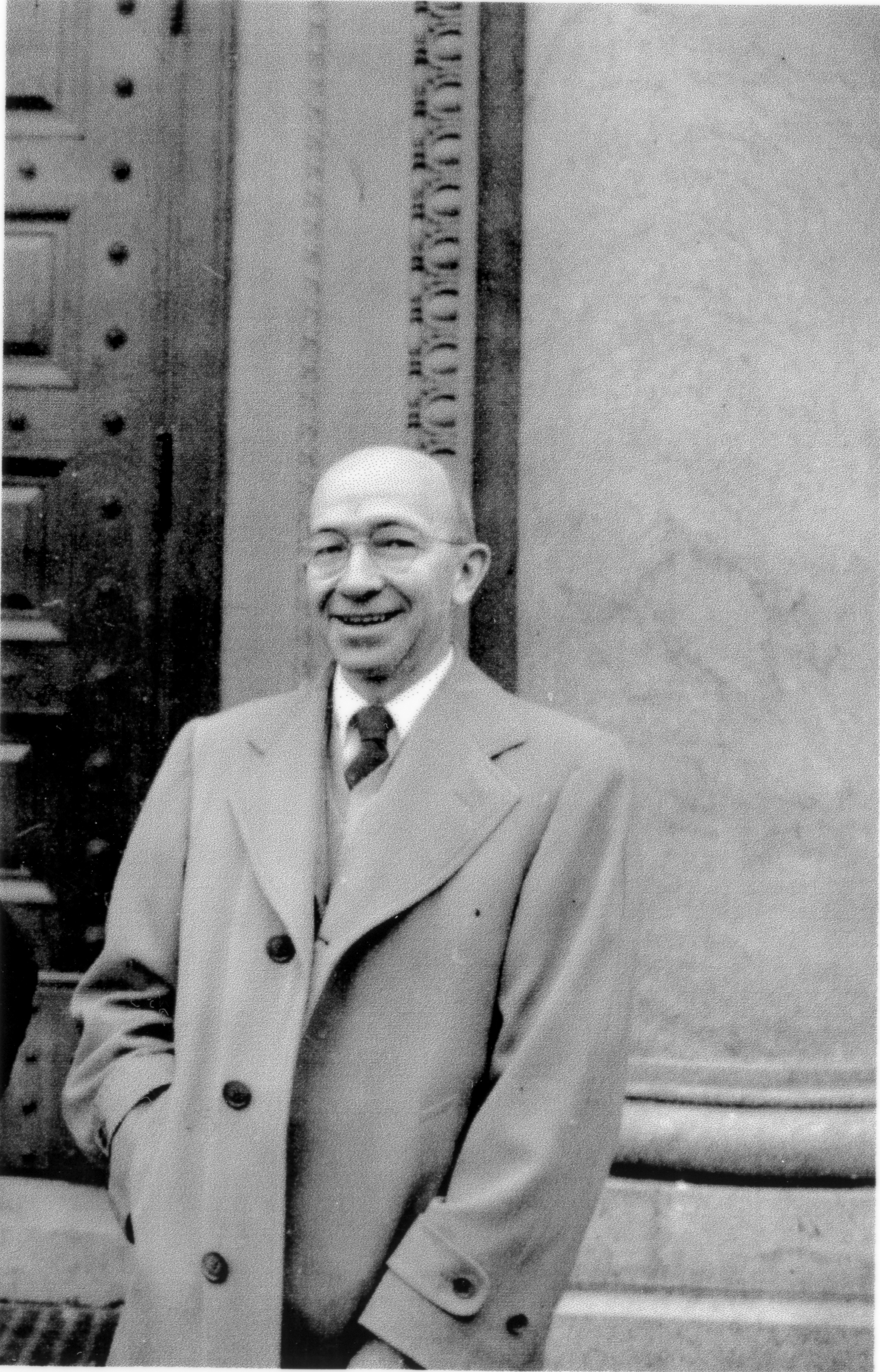
As recounted by Werth, on September 2, 1960, state and local police led by Regan raided Arvin’s apartment on a tip from the Post Office. They confiscated his erotica and diaries dating back to 1940, and arrested him for distributing pornography. Shattered, Arvin surrendered the names of several friends, including Smith instructors Ned Spofford and Joel Dorius, then admitted himself to Northampton State Hospital.
The head of the vice team, Regan, anticipated breaking a major interstate ring of “smut-peddlers” centered at the prestigious women’s college. He trumpeted his finds and plans to the press, which resulted in daily headlines in the Boston and New York newspapers. A wave of fear spread through the East Coast gay grapevine as Arvin’s name was recognized. Regan publicized that Arvin’s diaries were being scrutinized with dozens of arrests expected around New England. Men cleaned their houses of explicit material, feared their phones were tapped, and left town or otherwise distanced themselves from the accused.
As six more arrests followed, police revealed to the public that Arvin and the other suspects, including three married Northampton men, were homosexuals. As all seven men were convicted and given suspended sentences for possessing obscene material, and/or being lewd and lascivious persons or committing unnatural acts, it became apparent that no distribution of pornography had taken place. The men had merely shown each other their private collections or had sex in the privacy of their homes. Werth concludes that the overzealous investigator had stitched together a gauze of half-truths in hopes of gaining attention in Boston for the fledgling vice unit’s efforts. Regan and the state police had simply dragged a net through Northampton’s underside, entangling seven unfortunate men.
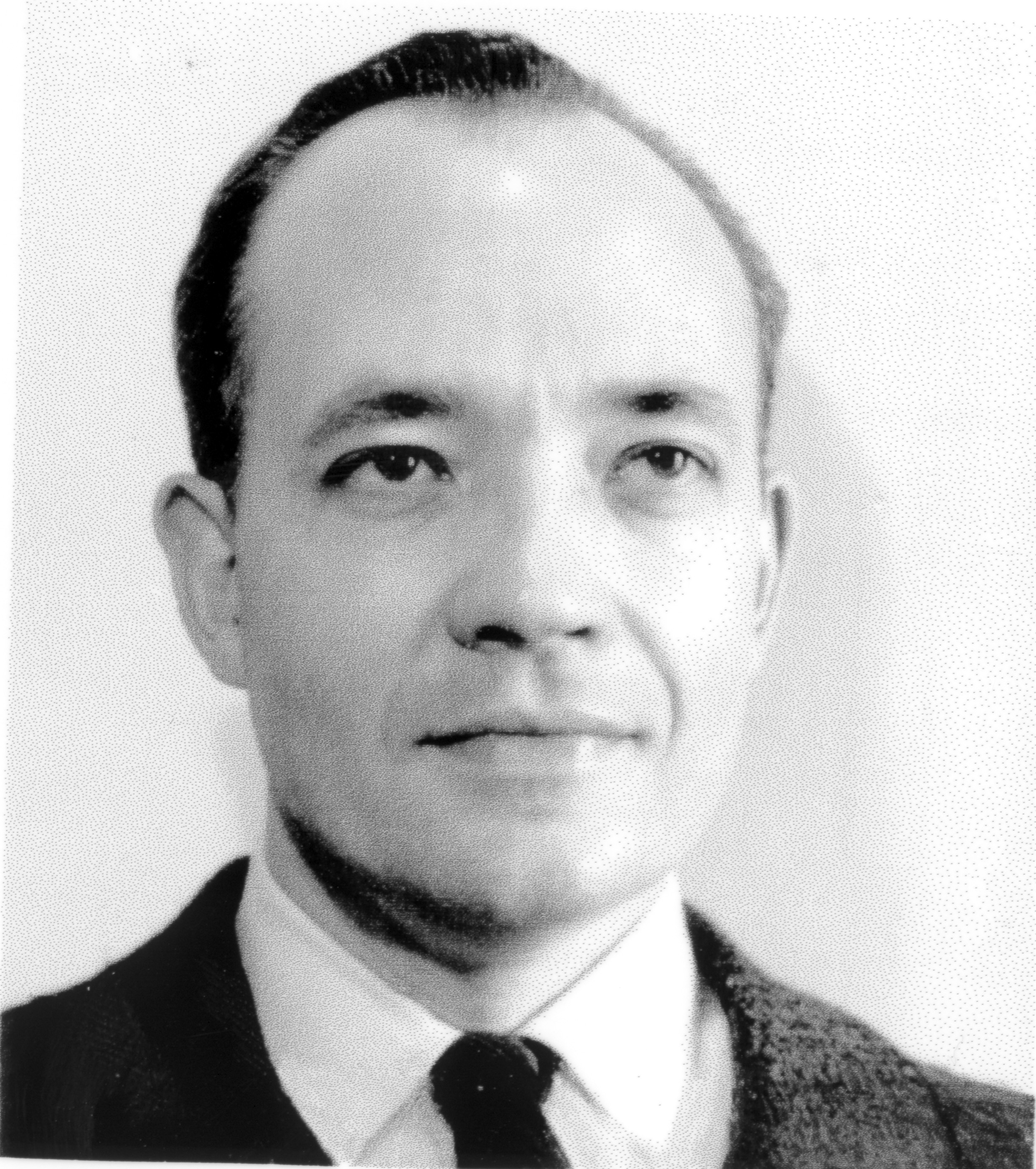
Spofford and Dorius appealed their convictions and were later acquitted on the basis of a 1961 Supreme Court ruling banning illegal police searches. In a second ruling a year later the Supreme Court found that the “beefcake” magazines, while “dismally unpleasant, uncouth and tawdry,” were not obscene. But it was too late for the men whose secrets had been revealed. The three Smith faculty lost their jobs and suffered subsequent bouts of depression. (Expect a later post on Smith’s belated amends.)
Though not included in the biography of Arvin, author Werth was able to trace the fate of two of the other four Northampton men. One eventually married and moved to Florida; the other, Richard Stanley, left Northampton after losing his marriage and being hospitalized. He moved West, in an ironic turn of event, within days met a wealthy horseman who became his life partner.
Sources;
__Werth, Barry. The Scarlet Professor: Newton Arvin: A Literary Life Shattered by Scandal. New York: Random House; 2001.
___________” The Scarlet Professor” in New Yorker, October 5, 1998.
___________. Correspondence with, Summer 2003.
___________” The Scarlet Professor” in A Place Called Paradise: Culture and Community in Northampton, Massachusetts 1654-2004, edited by Kerry W. Buckley, Historic Northampton, 2004. Highly readable and recommended excerpt from the book, freshened for this anthology.
Coming Next: Was there a gay women’s subculture in Northampton prior to 1970?


 From Wicked To Wedded

